
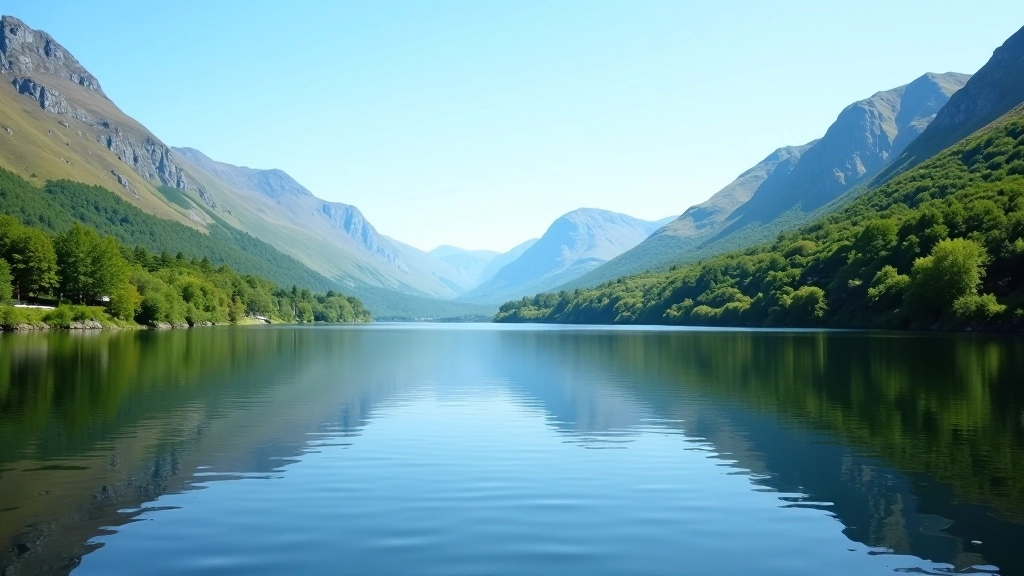
Peaceful Coastal Walks Along the Wild Atlantic Way
Explore scenic coastal routes suitable for seniors. We've selected sections with good parking, minimal steep sections, and stunning Atlantic views.
Why the Wild Atlantic Way?
The Wild Atlantic Way stretches for 1,600 kilometers along Ireland's western coast. It's not just a route on a map — it's a collection of genuinely beautiful places where you can walk, breathe fresh air, and feel properly connected to the landscape.
We've picked specific sections that work well for people over 60. These aren't tough mountain hikes. They're accessible routes where you'll find sea views, proper paths, and parking nearby. Most importantly, they won't leave you exhausted.
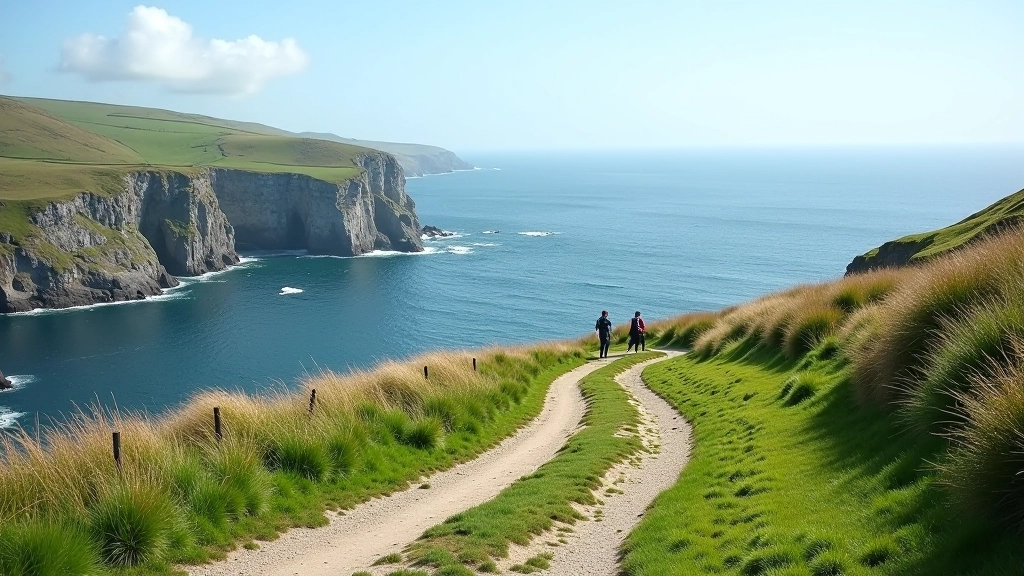
Doolin to Liscannor: The Gentle Cliff Walk
Starting in County Clare, this route offers dramatic cliff views without demanding too much from your legs. The walk stretches about 4 kilometers one way, taking roughly 60 to 90 minutes at a comfortable pace.
You'll walk on well-maintained paths most of the way. There's a small car park in Doolin right at the start, which beats searching for parking in bigger towns. The trail itself hugs the clifftop, so you're never scrambling over rocks or dealing with steep descents.
Key Details
- Distance: 4 km one way (or 2 km if you turn back early)
- Duration: 60-90 minutes
- Difficulty: Easy to moderate
- Surface: Grass paths and coastal tracks
- Parking: Free car park in Doolin village

Before You Go
This article provides general information about coastal walking routes along the Wild Atlantic Way. Walking conditions, accessibility, and weather vary seasonally. Always check local conditions, bring proper footwear, and tell someone where you're going. If you have mobility concerns or health conditions, consult your doctor before starting any new walking routine.
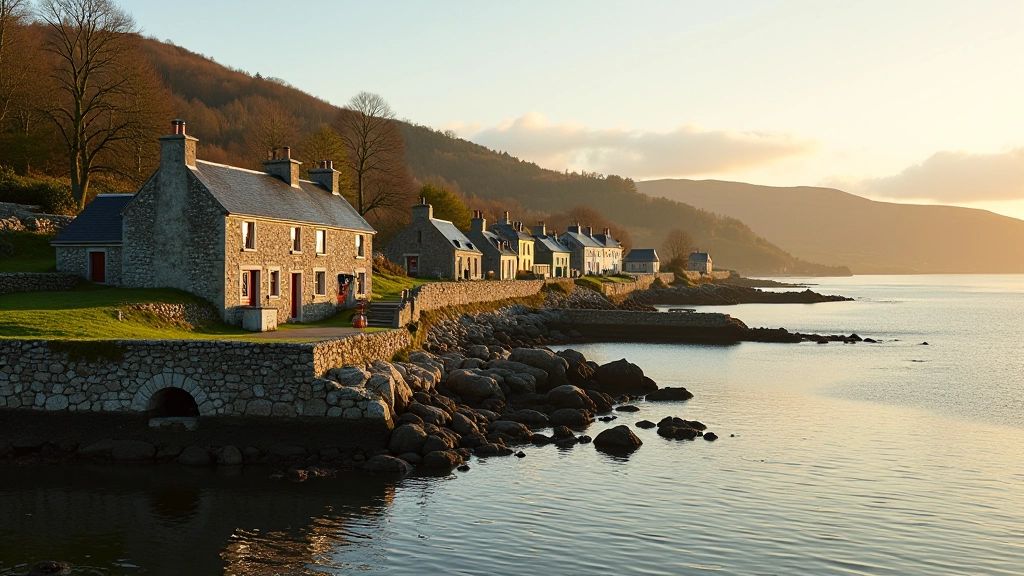
Salthill Promenade: The Easy Classic
Galway's seafront walk is different from wilder coastal routes. It's urban, civilized, and packed with places to stop. The promenade runs about 2 kilometers from Salthill beach to Blackrock, and you can walk as little or as much as you want.
The path is flat, paved, and pushchair-friendly. You'll pass cafés, ice cream shops, and benches where you can sit and watch Galway Bay. If you get tired, you're never far from a cup of tea. Many people do this walk in sections — maybe 20 minutes one day, a bit further the next.
What to Expect
Flat paved paths, sea views, restaurants and cafés scattered throughout, public restrooms available, ample parking near Salthill beach. The walk's popularity means you won't be alone, which many people prefer.
Inchydoney Beach Loop: County Cork Charm
In County Cork near Clonakilty, this route combines beach walking with coastal paths. You can do the full loop (about 5 kilometers) or stick to the beach section, which is 2-3 kilometers depending on tide and your mood.
The beach itself is sandy and firm underfoot — much easier on knees than rocky terrain. At low tide, you've got loads of space. The water's cold, naturally, but people do paddle and swim here in summer. The real advantage? If you get tired, you just turn back. There's no commitment to reach a distant viewpoint.
Pro Tips for Coastal Walking
Check the Wind
Coastal winds can be strong. On blustery days, walks feel much harder. Choose calmer days if you can.
Sunscreen Matters
Sea air feels cool, so you might not realize you're getting burned. Apply sunscreen even on cloudy days.
Bring Water
You won't find water fountains on most coastal paths. Bring a bottle from home.
Proper Shoes
Waterproof hiking shoes with good grip are worth the investment. Coastal paths can be damp.
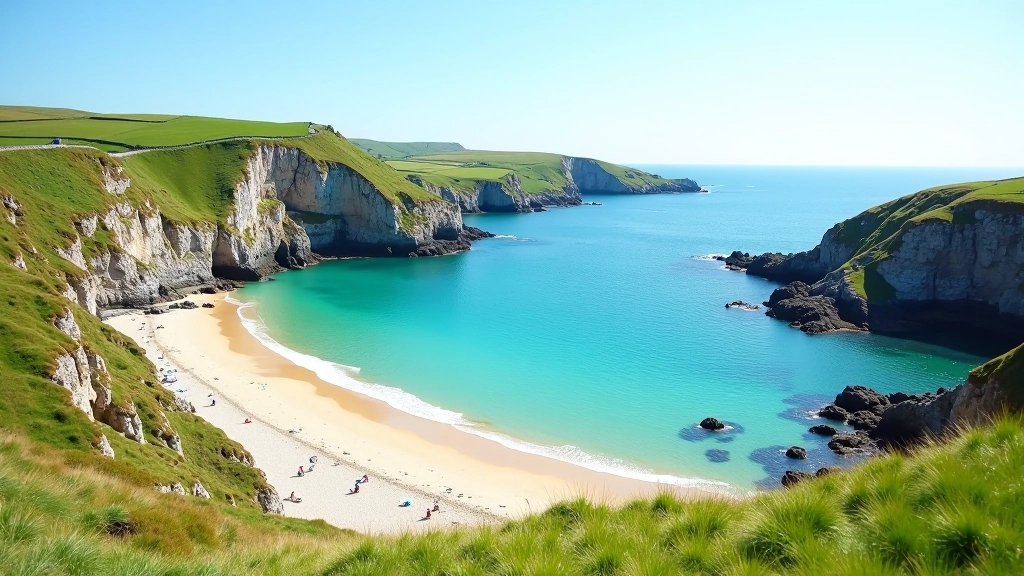

Timing Your Visit: Seasons Matter
Spring and autumn are genuinely better than summer for coastal walking. Yes, summer's warmer, but it brings crowds and midges. Late April through May gives you wildflowers, manageable temperatures, and fewer tourists. September and October? The light's golden, crowds thin out, and the weather's usually stable.
Winter walks are possible — the light's beautiful and dramatic — but weather's unpredictable. Winds get serious, paths get muddy, and daylight ends by 4pm. Unless you're specifically drawn to winter coastal drama, spring and autumn work better for most people.
Tide matters too, especially on beach sections. Check local tide times before you go. Low tide often gives you more beach to walk on, while high tide can cut off access to certain routes. It's worth five minutes of planning.
Start Small, Build Confidence
The Wild Atlantic Way isn't about conquering epic distances. It's about spending time near the ocean, breathing fresh air, and discovering places you might otherwise miss. Start with the routes that appeal to you most. If Salthill's busy vibe feels right, do that. If you'd rather dramatic cliffs and quiet paths, head to Doolin.
You don't need special equipment or advanced fitness. Good shoes, a jacket for wind, and realistic expectations about distance are genuinely all you need. Most people find that once they've done one walk successfully, the confidence builds. The second walk feels easier. The third becomes something you actually look forward to.
That's when coastal walking stops being "something to try" and becomes part of your routine. And that's when you'll understand why people keep coming back to these routes, year after year.

More Outdoor Walks to Explore

Forest Bathing in Tollymore: A Beginner's Guide
Read Guide