Birdwatching at Wexford Slobs: Species and Best Viewing Times
Discover what birds you'll see at Wexford Slobs and when they're most active. Includes information about viewing platforms and accessibility for seniors.
Wexford Slobs is one of Ireland's most important wetland sites for birdwatchers. This expansive area of reclaimed land and shallow lagoons attracts thousands of birds throughout the year. Whether you're a complete beginner or someone who's been watching birds for decades, you'll find something remarkable here. The site isn't just about spotting rare species — it's about understanding the rhythms of nature and seeing how different birds thrive in this unique habitat.
Species You'll Encounter
Over 250 bird species have been recorded at Wexford Slobs. Here's what you're most likely to see depending on the season.
Winter Visitors (October to March)
Winter brings the most spectacular gatherings. Whooper swans arrive from Iceland, often numbering in the hundreds. You'll also see wigeon, pintails, and various duck species. The lagoons become a patchwork of feeding birds, with thousands congregating in early morning light. Waders like golden plovers and lapwings are common across the grassland areas.
Spring Passage (April to May)
Spring is when migration gets interesting. Terns arrive to breed, and you'll see warblers moving through. Ospreys pass through during their migration north. Ruff, common sandpiper, and wood sandpiper are regulars. This is the season for unexpected sightings — occasionally rare species turn up during their journeys.
Summer Residents (June to August)
Summer means breeding birds. Common and Arctic terns nest on the lagoons, and you'll hear them before you see them. Reed warblers sing from the reed beds. Redshank and other waders are actively defending territories. Water levels drop in late summer, concentrating birds in smaller areas and making them easier to spot.
Autumn Passage (August to September)
Autumn migration creates constant activity. Shearwaters, skuas, and storm petrels move through. Waders returning from breeding grounds include curlew, whimbrel, and greenshank. Terns gather before their southward migration. The mix of residents and migrants makes autumn genuinely unpredictable.
Best Times to Visit
Winter (November to February) offers the highest bird concentrations and is genuinely spectacular for volume. Spring (April to May) is best for variety and rare sightings. Early mornings are always better — most birds are active from dawn until about 10 AM. Visit during calm, dry weather when visibility is good and birds are more visible. High tides in the adjacent estuary push birds into the Slobs, concentrating them in viewable areas.
Viewing Platforms and Accessibility
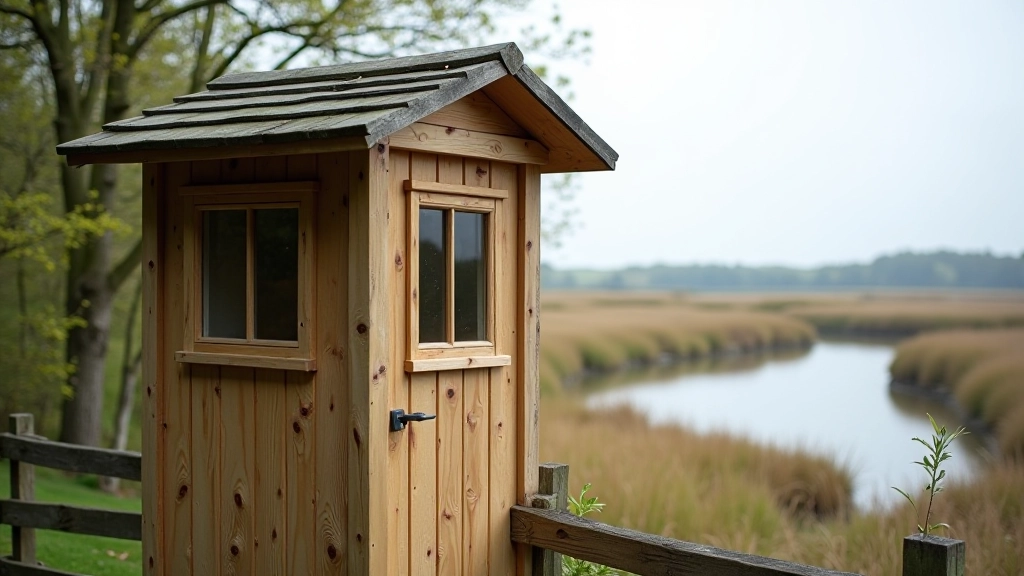
The site has excellent facilities for birdwatchers of all abilities. The North Slob has two main observation hides — simple wooden structures with viewing windows. They're sheltered from wind and provide comfortable places to spend an hour or two. There's also a tower hide with elevated views over the lagoons, though it does require climbing stairs.
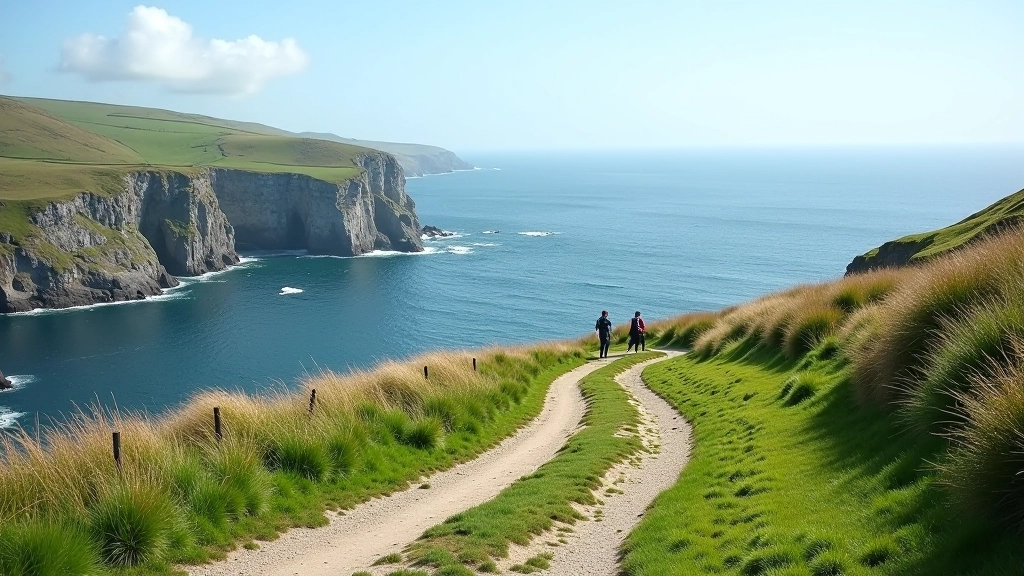
The main viewing areas are accessible by car with good parking. Walking paths between hides are relatively flat and well-maintained. Most of the circuit can be completed in 2-3 hours at a comfortable pace. If mobility is a concern, you can park near the main hide and spend your entire visit there without missing significant birdwatching opportunities.
Facilities include toilets near the main car park. There's no café on-site, so bring refreshments. The area is exposed, so wind and weather are real considerations. Waterproof clothing isn't just recommended — it's essential, even when the forecast looks clear.
What to Bring
You don't need expensive gear to enjoy birdwatching at Wexford Slobs. Here's what actually makes a difference.
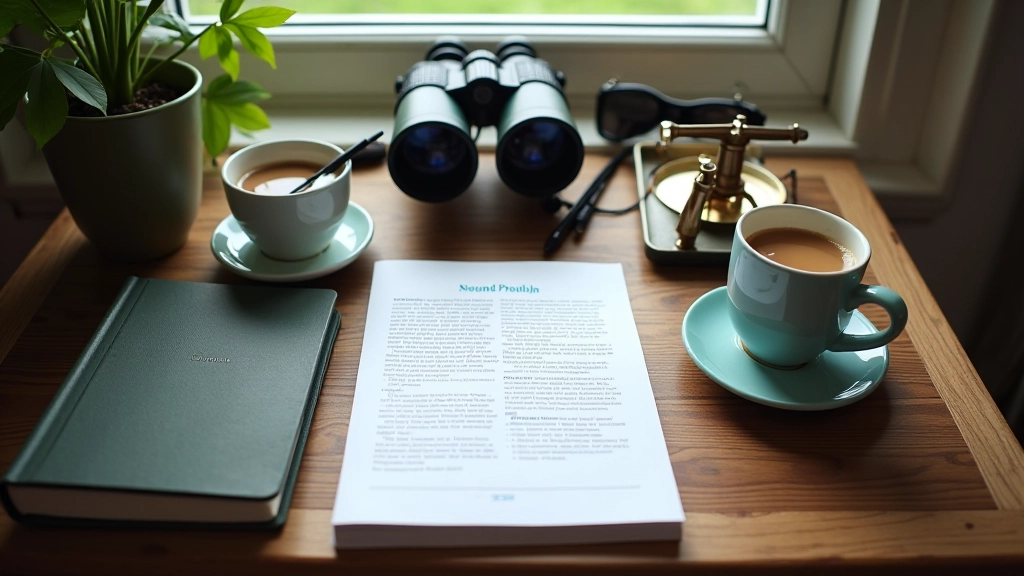
- Binoculars: This is your main investment. You don't need premium optics — mid-range binoculars (8x42 or 10x42) work perfectly fine. Avoid anything too heavy since you'll be holding them for extended periods.
- Notebook: Keep simple notes of what you see and when. Over time, these notes become genuinely valuable for understanding patterns.
- Field guide: A pocket-sized Irish bird guide is useful. Apps like Merlin Bird ID work too and can help with identification.
- Warm layers: The wind at Wexford Slobs is constant and can be fierce. Waterproof jacket, fleece, and thermal layers are genuine necessities, not optional extras.
Important Information
This article is informational and educational. Bird identification can be challenging, especially for similar species or in poor light conditions. We've described the birds you're most likely to encounter, but individual sightings may vary. Weather conditions, water levels, and seasonal timing affect which birds are present. Always check current conditions before visiting, and follow site guidance and local regulations. If you have mobility concerns, contact the visitor facilities in advance to discuss accessibility options.
Tips for Better Birdwatching
Move Slowly and Quietly
Birds respond to sudden movements. Walking slowly between hides and staying quiet dramatically increases what you'll see. Most birds hear you before they see you.
Use the Hides Strategically
Spend at least 20-30 minutes in each hide. Birds return once they realize there's no threat. Your patience gets rewarded with closer views and more natural behavior.
Scan Systematically
Don't just look at where you expect birds. Scan the entire visible area methodically — shoreline, water surface, reed beds, and sky. You'll spot birds you'd otherwise miss.
Learn by Sound First
You'll hear birds before you see them. Learning basic calls helps you locate species. Apps with bird sounds are genuinely useful for learning these distinctions.
Visit Multiple Times
Each visit is different. Weather, season, and time of day all change what you'll encounter. Regular visits build understanding of patterns and behavior.
Join Local Groups
Birdwatching groups meet regularly at Wexford Slobs. You'll learn identification faster and discover where experienced birders find rare species.